

Return Deadlines
In-depth coverage and expert perspectives
Return Window Basics Understand how return deadlines are calculated, including purchase dates, delivery dates, gift receipts, and holiday extensions. For Everyday Shoppers Guides are written for consumers managing receipts, gifts, online orders, seasonal purchases, and budget-sensitive returns.

Refund, Exchange, Price Match, and Warranty Deadlines: A Shopper’s Guide to Tracking Every Clock

Restocking Fees Explained for Everyday Shoppers

How to Track Return Deadlines Before They Expire
What Counts as the Start Date for a Return Window?

Holiday Return Windows: What Shoppers Should Check Before Buying
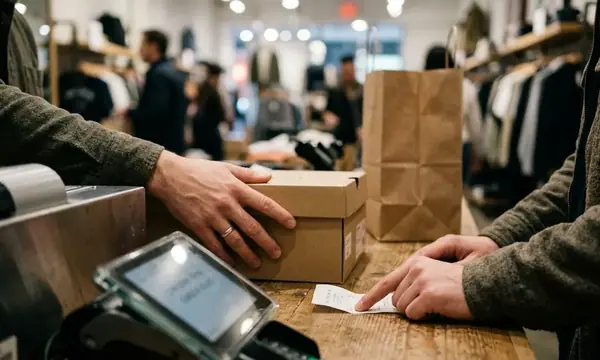
Return deadlines look simple until a shopper is holding three receipts, two shipping labels, and a sweater bought during a holiday promotion. This category keeps the focus on the decisions that matter before the counter conversation starts: which date begins the clock, what condition the item must be in, whether a gift receipt changes the options, and when a fee can shrink the refund. It is written for households managing ordinary purchases, not for store teams processing inventory or sellers disputing chargebacks. It also avoids the common shortcut of assuming every store follows the same playbook. Digital receipts help, but they do not always attach themselves neatly to an account, especially when a purchase moves between a marketplace, a brand site, and a pickup desk.
The most useful habit is boring: capture the receipt when the bag comes home, note the last return date, and keep packaging until the decision is made. That habit matters with final-sale tags, opened electronics, online orders split across boxes, and seasonal policies that change the usual rhythm. If customer service needs to review an exception, a clean timeline beats a long explanation. Forum feedback confirms the irritation shoppers feel when restocking fees appear late in the process; the better move is to check the fee language before opening, assembling, or mailing back the item. Picture Maya at her apartment door on a rainy Thursday, scanning a shoe box label before recycling it and setting one reminder for the Saturday deadline.